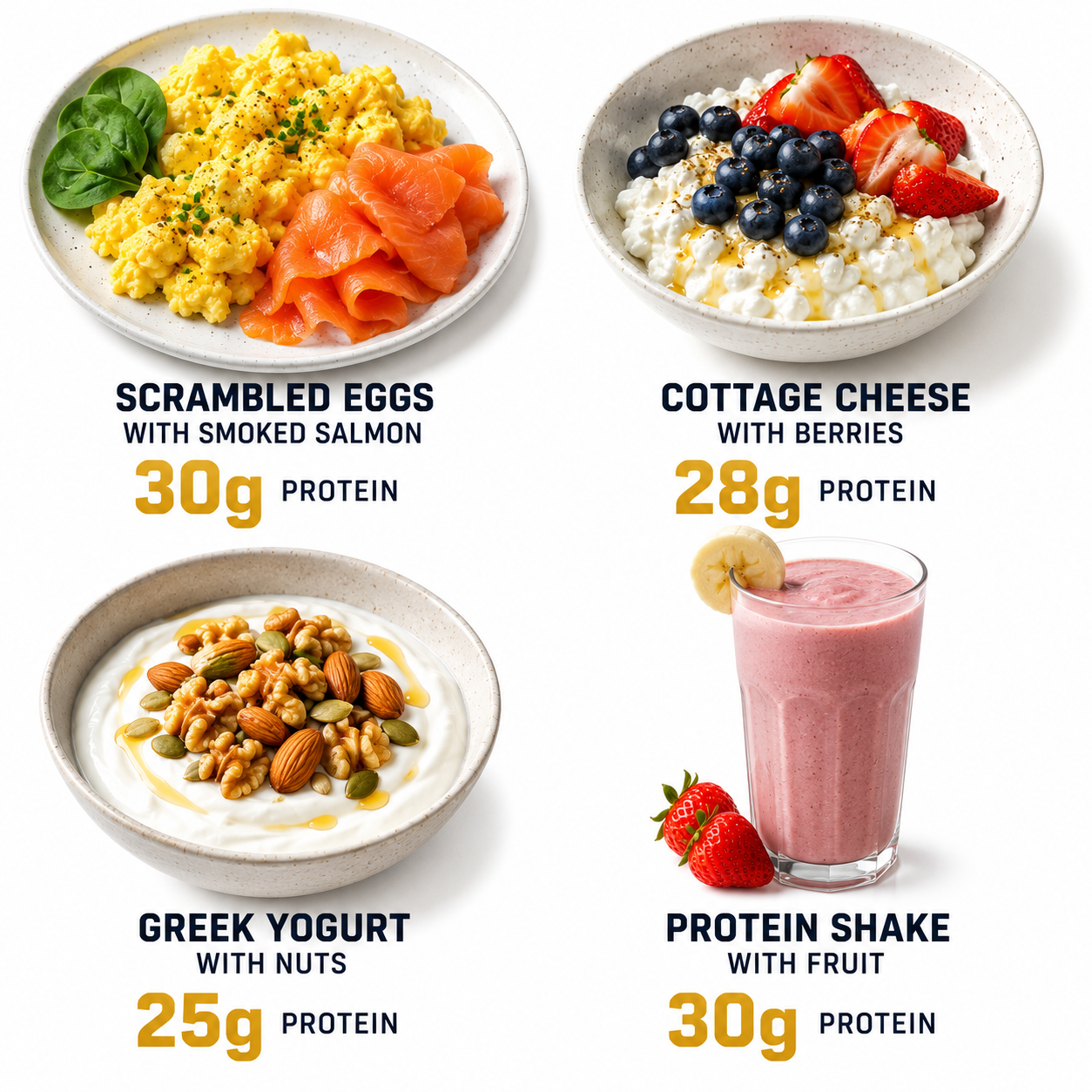

Calorie tracking is one of the most debated topics in nutrition. Some coaches swear by it. Others say it creates an unhealthy relationship with food. The truth, as usual, is more nuanced.
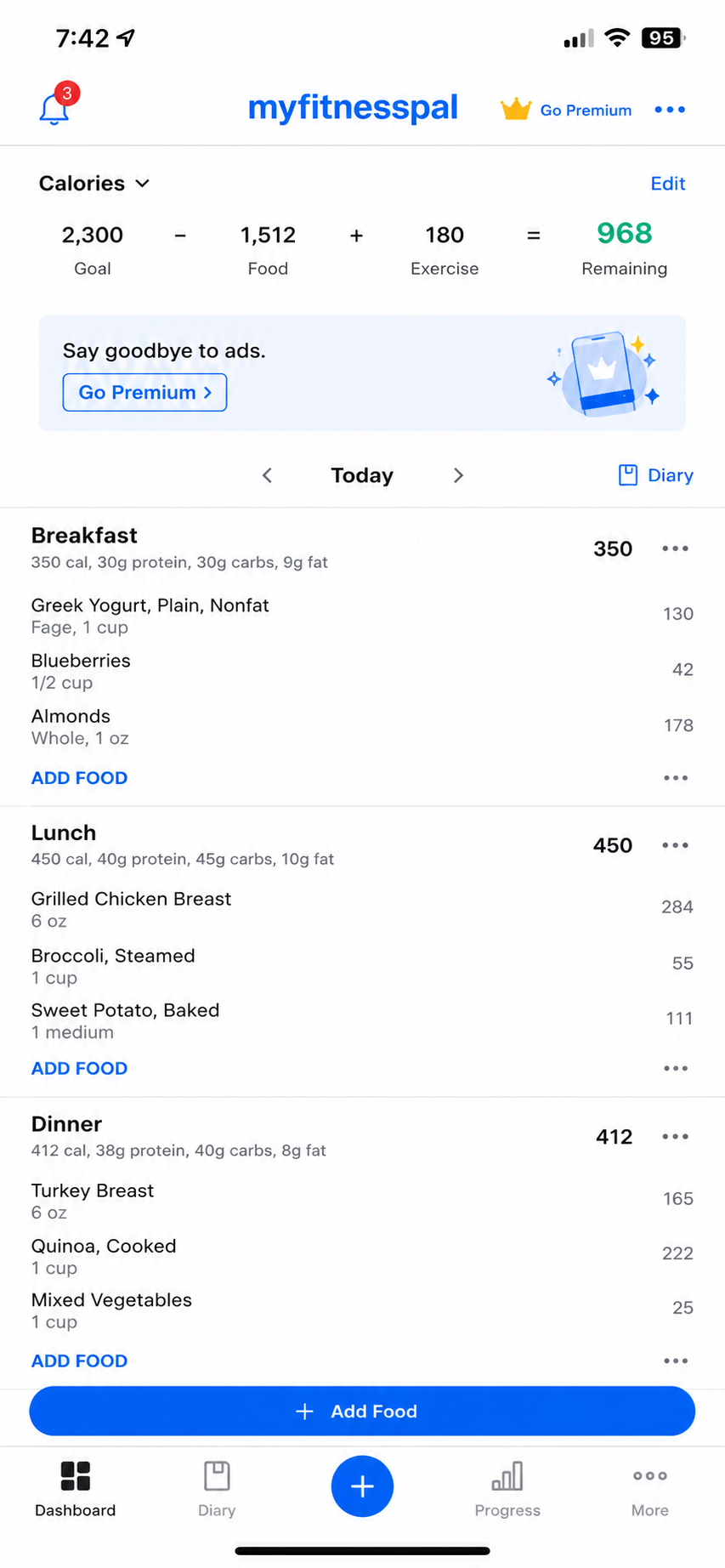
Tracking calories and macros is genuinely useful in specific situations. If you have no idea how much you're eating and most people dramatically underestimate their intake, a 2-4 week tracking period creates an accurate baseline. That data is valuable. Tracking also works well for people who are detail-oriented, already have a structured relationship with food, and find the feedback loop motivating rather than stressful.
For most busy professionals, rigid calorie tracking is unsustainable within 8 weeks. The compliance rate drops off sharply the moment life gets complicated, travel, client dinners, high-stress periods, or simply not having time to log a meal at a restaurant. Beyond sustainability, obsessive tracking can create a counterproductive relationship with food where a single untracked meal triggers a psychological spiral that derails the entire week.
Three things move the needle more consistently than calorie tracking for busy professionals:
Tracking is a tool, not a requirement. Used strategically at the right phase, it's valuable. Used rigidly as a permanent lifestyle, it's often counterproductive for high-performing professionals with full schedules. The goal is to develop an accurate intuitive understanding of your nutrition, not to be permanently dependent on an app to make food decisions.
Want a nutrition approach built around your schedule rather than a tracking app? Book a free strategy call at munkyfitness.com.